
Restore
Promote the passive state of your stainless steel surfaces through treatment adapted to their condition, use, and your facility’s requirements.
Chemical passivation eliminates ferrous contamination and promotes a protective passive layer. Technochim adapts the treatment to the stainless steel grade, surface condition, and your facility’s requirements.
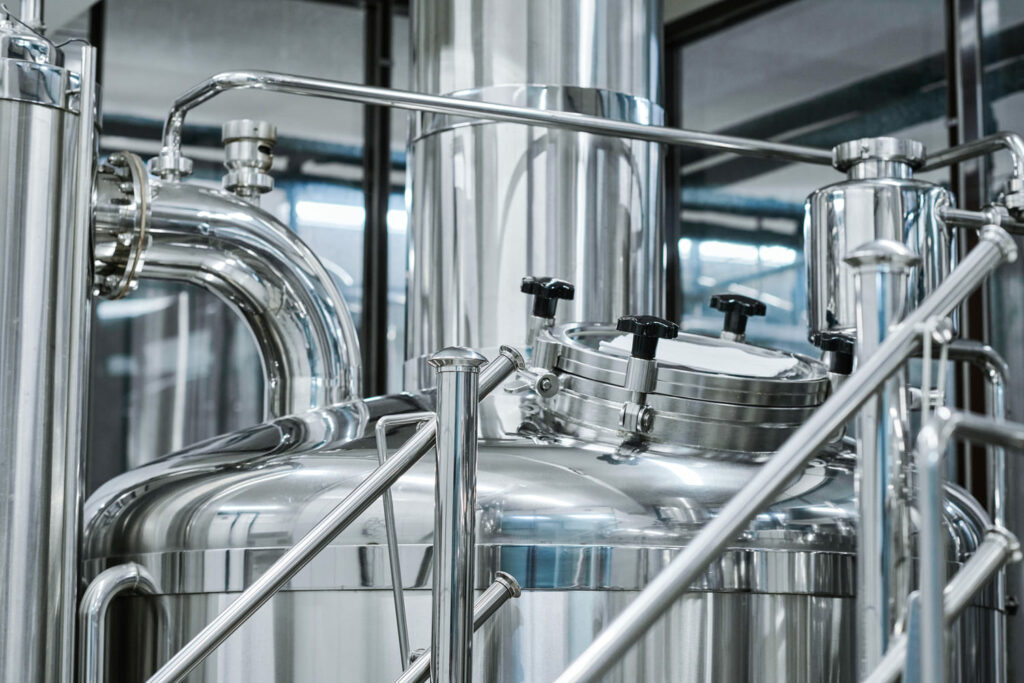
The challenges
01
Create favorable conditions for the formation of a chromium-rich passive layer, essential to stainless steel’s corrosion resistance.
02
Remove free iron and certain superficial ferrous contamination with treatment adapted to the stainless steel grade and surface condition.
03
Integrate passivation into equipment fabrication, commissioning, or maintenance to preserve their properties over time.
Your need
Technochim defines the treatment according to the stainless steel grade—notably 316L widely used for pharmaceutical process equipment—the initial surface condition, previously performed operations, and your facility’s requirements.
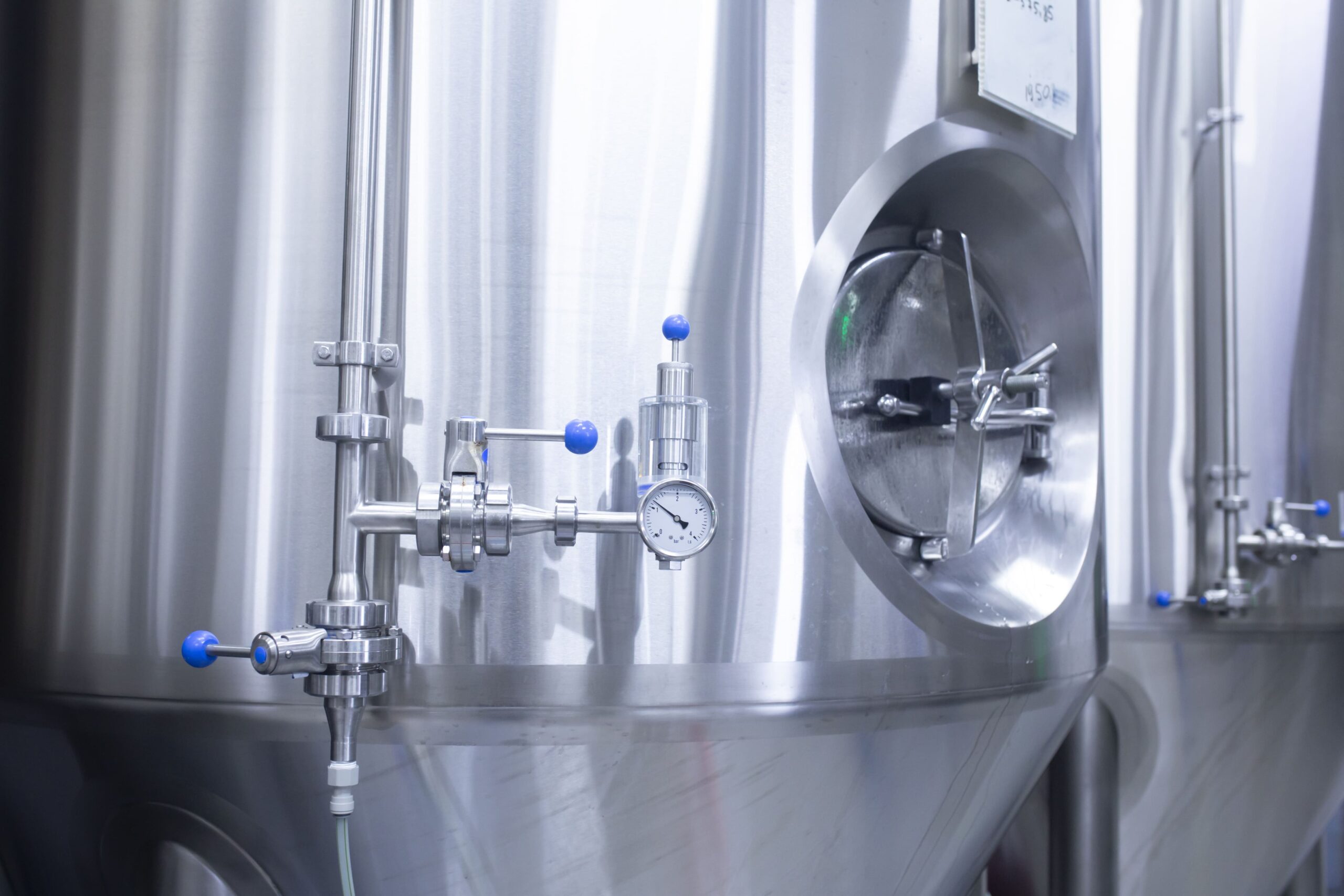
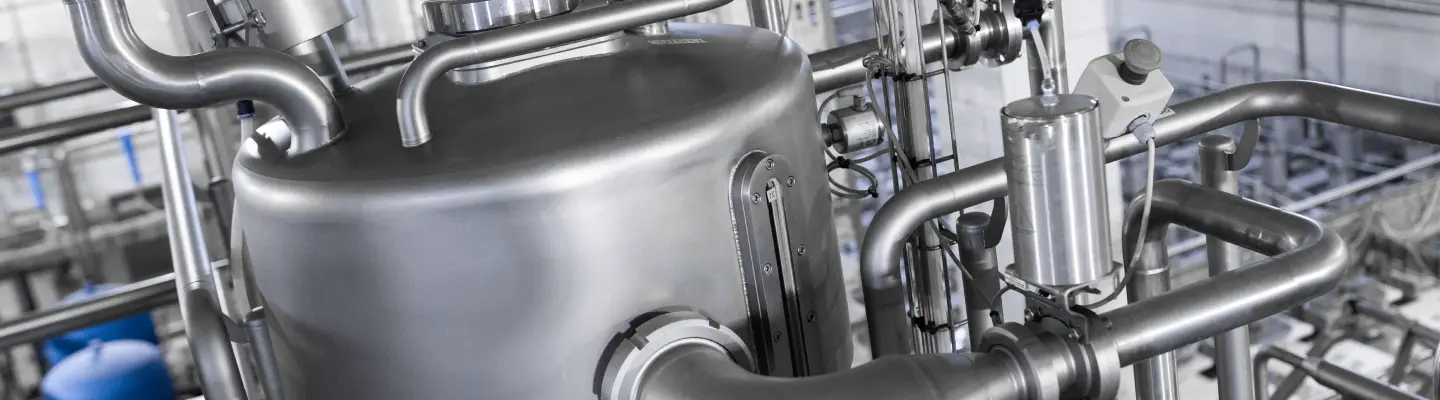
Our approach
Passivation is not simply the application of a chemical product. The result depends on the initial surface condition, its preparation, the stainless steel grade, the chemistry used, and the process parameters.
Technochim defines the protocol based on the actual surface condition and equipment constraints.
01
Assess the surface
Identify the stainless steel grade, initial condition, potential contaminations, and treatment history.
02
Prepare the surface
Define the preliminary operations necessary to obtain a surface compatible with passivation.
03
Control the passivation
Adapt the chemistry, concentration, temperature, contact time, and application method to the selected protocol.
04
Rinse, verify & document
Control the rinsing, verify defined criteria, and document the intervention before recommissioning.
Understanding passivation
Stainless steel’s corrosion resistance relies on an extremely thin passive layer, rich in chromium oxides. It forms naturally on a clean surface when the environment permits. Surface preparation and passivation treatment are adapted to its initial condition and intended operating conditions.
Passivation quality depends directly on the surface condition before treatment. Organic residues, oxides, ferrous contamination, or fabrication-related alterations may require preliminary degreasing, cleaning, or pickling operations.
Chemical passivation is then performed according to a formulation and parameters adapted to the material and facility. Depending on equipment configuration, treatment can be performed by immersion, circulation, filling, or application.
Rinsing constitutes a process step in its own right. The protocol specifies their execution conditions and the required water quality according to the treatment and facility requirements.
316L stainless steel process tanks
Process piping
PW/WFI loops
High-purity water production and storage equipment
Clean steam generators and distribution systems
Stainless steel parts and components
Technochim expertise
Technochim combines knowledge of stainless steels, mastery of surface chemistry, and experience with pharmaceutical and high-purity facilities. This approach enables passivation to be defined based on the actual surface condition and equipment requirements.
These elements will enable preparation of a technical discussion with Technochim.