
Surface Science
A surface is not limited to an Ra value. Measure, visualize, and interpret its topography to understand its true condition.
Measurement transforms an observation into comparable data, provided the method and its limitations are mastered. No single indicator describes the full complexity of a surface.
The Challenges
01
Cross-reference indicators to obtain a more complete understanding of the surface condition.
02
Maintain consistent measurement conditions to compare surfaces and treatments.
03
Relate data to the material, process, history, and function of the surface.
Understand
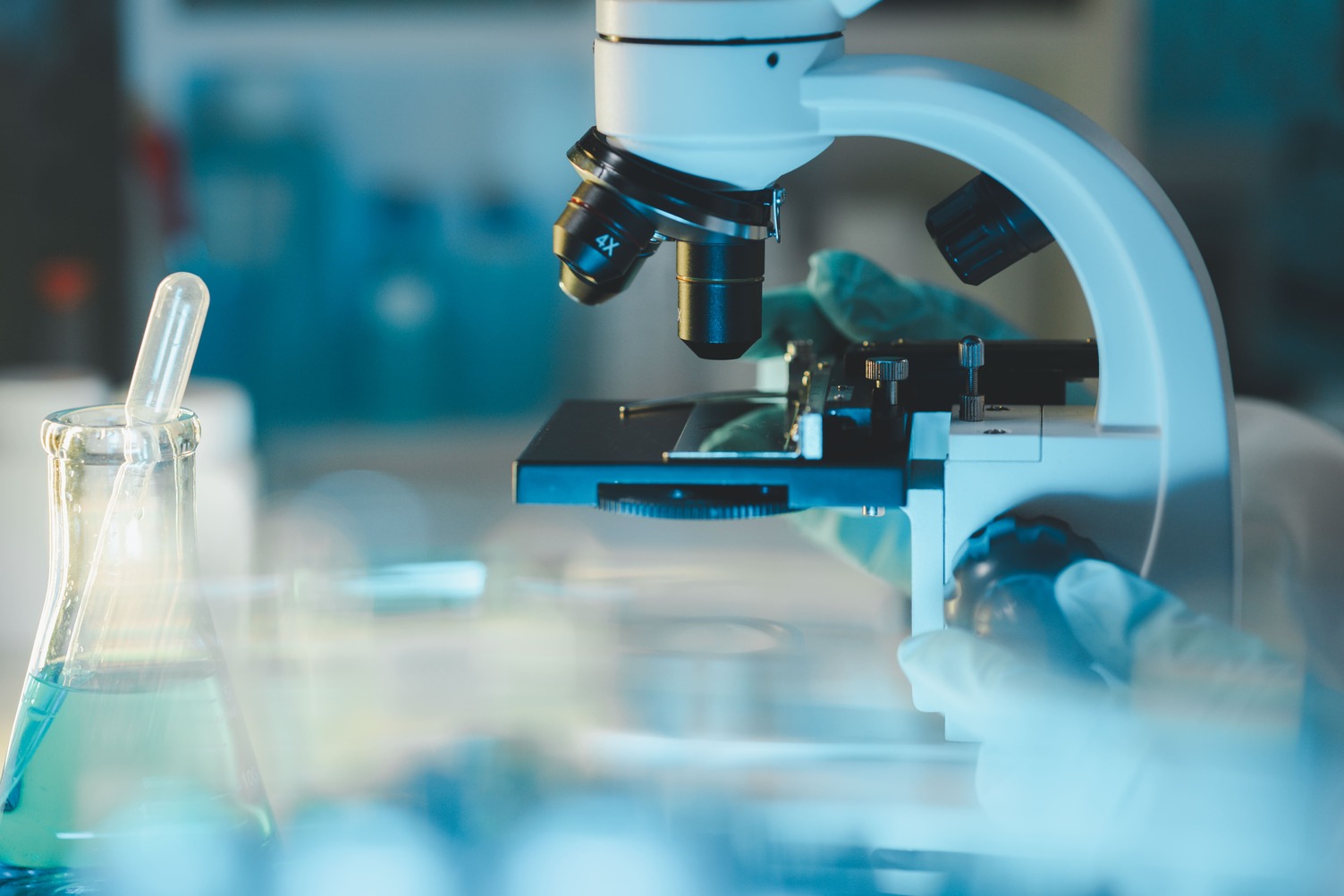
With its analysis laboratory and 3D microscopes, Technochim combines roughness measurements and topography observation to characterize surfaces, compare different states, and better understand the effects of treatments.
Reading Method
The characterization method depends on the question asked: understanding an initial state, analyzing an anomaly, comparing two treatments, or verifying a result.
01
Ask the Question
Define what you are looking to observe, understand, or compare.
02
Select the Methods
Choose relevant parameters and measurement areas.
03
Document the Conditions
Associate each result with the method and measurement conditions used.
04
Cross-reference & Interpret
Put the data into perspective with observation, material, process, and surface history.
Interpret Measurements
Two surfaces can have a similar Ra while having very different topography and surface conditions.
Ra is calculated from a profile. 3D observation provides complementary insight by allowing examination of the topography of a surface area. SDR then helps characterize the developed surface area created by this microtopography.
Cross-referencing this information allows for a better understanding of what lies behind an average value.
This approach is particularly relevant for comparing mechanical polishing and electropolishing: with comparable Ra, these processes can generate different microtopographies.
Characterization can be used to establish an initial state, guide the choice of a treatment, or compare the surface before and after intervention.
It thus allows for connecting three elements:
Initial State → Applied Treatment → Obtained Surface Condition
The method, the analyzed area, and the measurement conditions must remain consistent to allow for a relevant comparison of results.
Ra
Rz
SDR
Profilometry
Topography
3D Microscopy
Technochim Expertise
Technochim has its own analysis laboratory and 3D microscopes to observe, measure, and characterize surfaces.
These internal resources allow for connecting metrological data to the actual surface condition, the applied process, and the desired result.
Technochim’s expertise therefore consists not only of producing a measurement, but of interpreting it within the context of the material and surface treatment to help define a strategy or evaluate its outcome.
Measure, visualize, and interpret the topography to understand the true condition of your surfaces.